
Grand Hour | Lan Phuong – Founder of LMP Design: Creating Emotion with a Global Vision and a Local Heart
Grand Hour | Lan Phuong – Founder of LMP Design: Creating Emotion with a Global Vision and a Local Heart
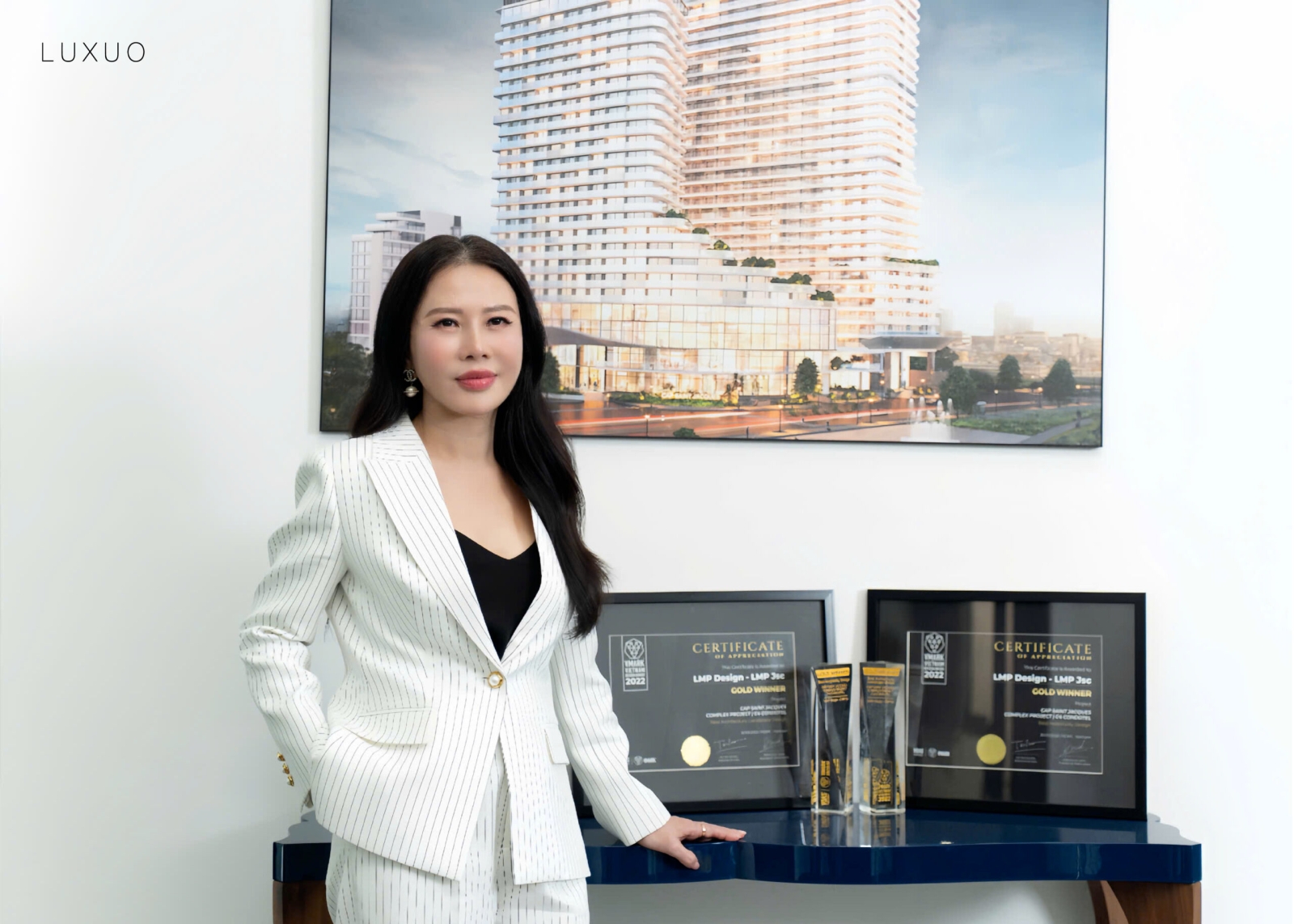
As the founder of LMP Design, Lan Phuong has remained committed to an architectural philosophy rooted in identity and the values of living. For her, architecture is not merely about visual beauty; it is about creating meaningful connections between emotion, nature and people.
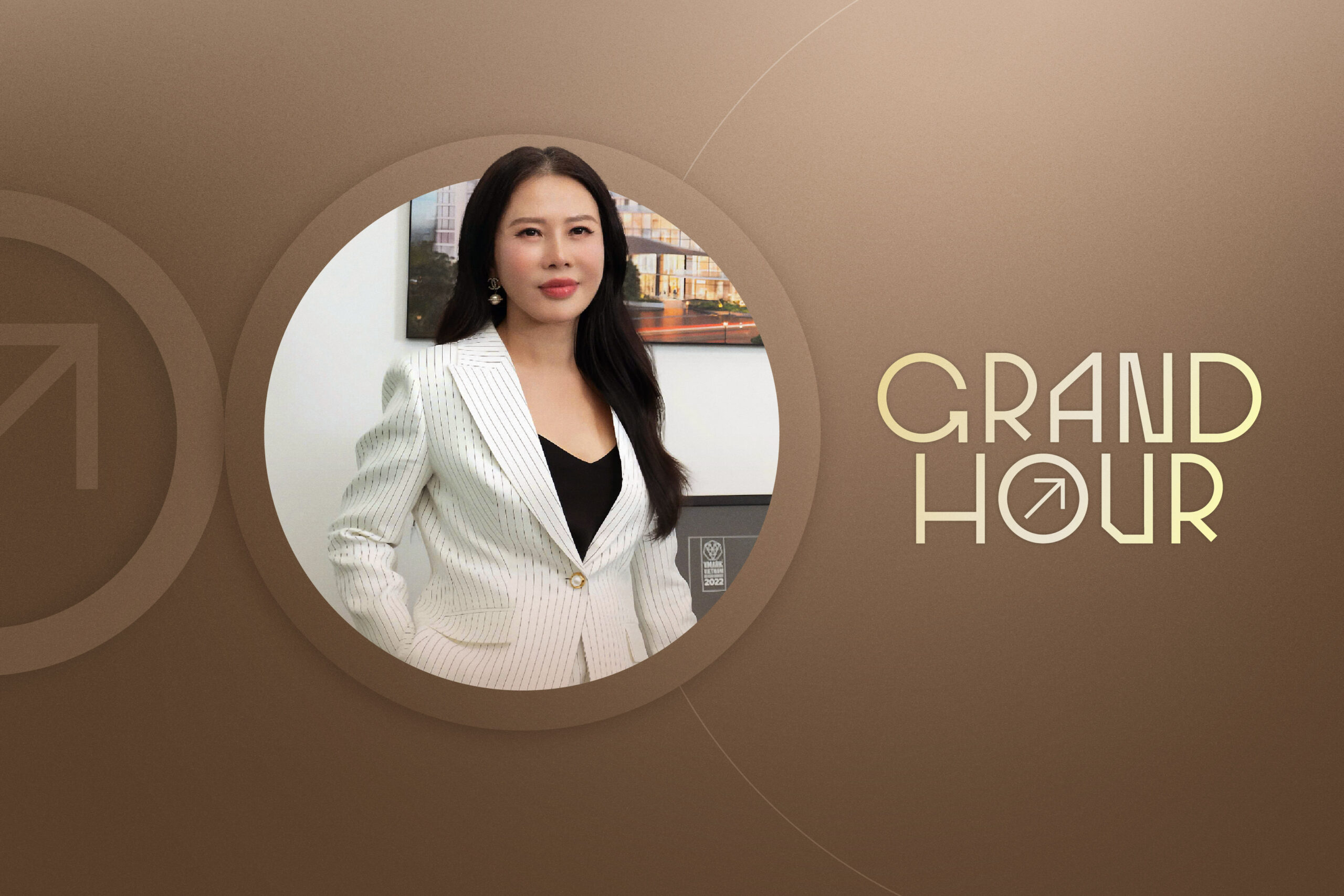
As Vietnamese architecture becomes increasingly integrated into the global design landscape, Lan Phuong – Founder of LMP Design – has chosen a path that balances contemporary aesthetics with cultural identity.
To her, architecture is where logic meets artistic sensibility — where every project seeks a balance between aesthetics and functionality while also nurturing the emotional well-being of those who inhabit it.
The distinction she pursues is not defined by scale or expensive materials, but by individuality, refinement and a highly personalized approach. Through listening — to clients, collaborators and herself — Lan Phuong and LMP Design have built their practice around three enduring values: quality, depth and emotion.
As the founder of LMP Design, what are you most proud of when you look at what the practice has become?
As the founder of LMP Design, I have always regarded the practice as something deeply personal — something that has grown alongside my own ideas, experiences and emotions in architecture.
LMP Design is not simply about creating beautiful spaces. We believe those spaces should have depth, retain a strong sense of identity, and ultimately contribute meaningful value to people's lives.
What I am most proud of is therefore not the number of projects we have completed or the awards we have received. It is our consistency in preserving our identity and the values we have pursued throughout our design journey.
For us, that identity lies at the intersection of contemporary aesthetics, strategic thinking and emotional sensitivity in design.
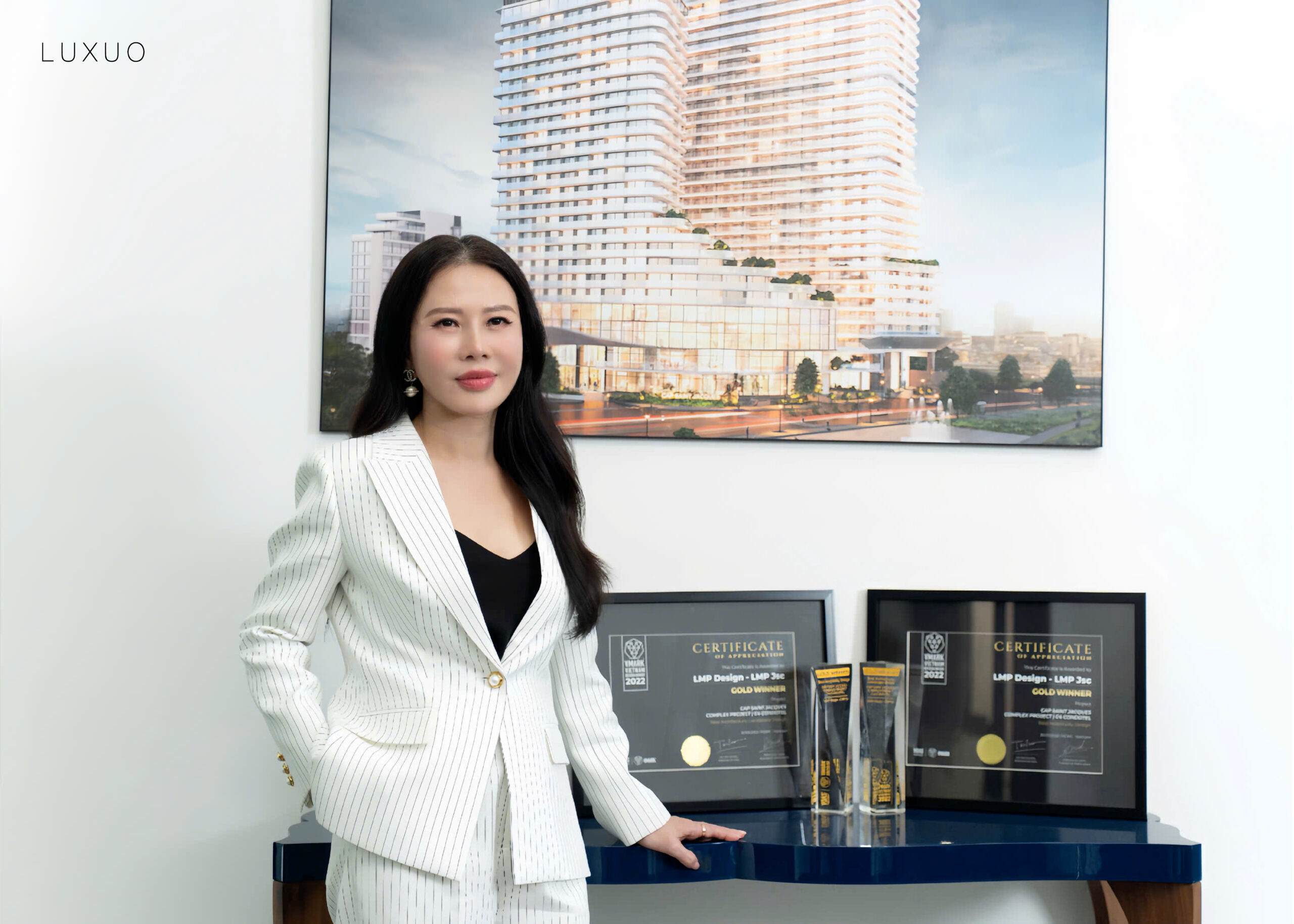
How do you balance contemporary aesthetics with the practical considerations of strategy and investment?
I believe architects today must do more than simply design buildings — they must create experiences.
That requires multidimensional thinking as well as a strategic approach to sustainable development.
Through working with investors and developers in the premium real-estate sector, I have come to understand that architecture must remain grounded in reality and respond effectively to specific challenges. At the same time, it should never lose its emotional dimension.
Only when architecture is guided by both strategic thinking and a sustainable, long-term vision can it create lasting value.
Throughout your career, have there been difficult moments when you considered giving up or changing direction?
There have certainly been moments when I wanted to stop, particularly when confronted with the harsh pragmatism of the market.
But those were also the moments when I looked inward and reconsidered why I had chosen this profession in the first place.
I believe architecture is a profession that creates value; it should never become merely a product for consumption.
One of the greatest rewards for me is hearing a client say, “I love living in this home. I feel at peace here.”
That feeling is what continues to motivate me and keeps my passion for architecture alive.
You once described an architect as “a mathematician with the soul of an artist.” Where did this idea come from?
People often imagine architects as highly imaginative or romantic individuals. In reality, architecture requires rigorous calculation, logic and discipline.
Every day, we solve complex equations involving space, cost, functionality, operations and many other constraints. That is why I sometimes describe an architect as a mathematician.
But regardless of how rational the process may be, architecture must retain emotion.
Ultimately, a building only becomes truly meaningful when it is capable of touching human emotion.
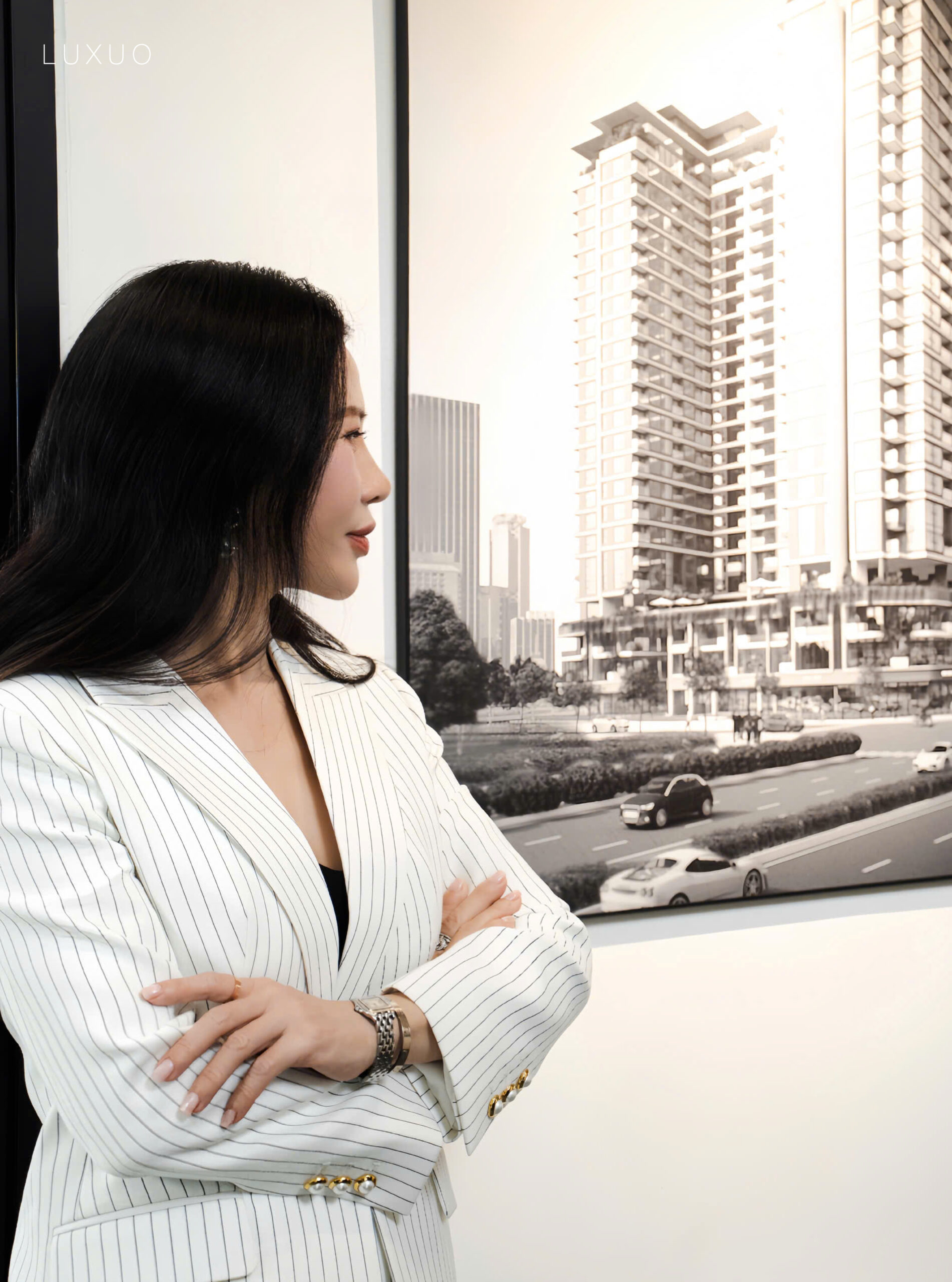
Speaking of emotion and beauty, how would you define true beauty and meaningful living in architecture?
For me, the highest expression of beauty is not something that creates an immediate, overwhelming impression. It is something capable of generating emotion over time.
A carefully considered pause within a space, a natural material, a beam of sunlight passing through a wall, or the subtle movement of natural shadows can sometimes touch us more deeply than any dramatic visual effect.
True beauty is therefore found when someone says, “I love living in this space,” rather than simply, “I want to take a photograph here.”
Meaningful living in architecture is about creating environments that genuinely connect people with nature, community and themselves.
Architecture should provide more than comfort and convenience. It should also be capable of nurturing our emotional and spiritual well-being.
How do you envision true luxury in architecture, particularly in a market that increasingly values personalization?
To me, true luxury does not come from expensive materials or prestigious brand names.
It lies in refinement, individuality and a high degree of personalization.
A truly luxurious space is one in which every detail reflects the personality and lifestyle of its owner, rather than reproducing an existing formula or imitating something created elsewhere.
With so many international architectural trends entering Vietnam, how does LMP Design maintain its own identity while remaining aligned with global standards?
We do not simply follow trends. We select, interpret and adapt them.
At LMP Design, we continuously explore new technologies and materials across our projects. At the same time, we practise architecture with what I call a “local heart.”
This means considering every element — functionality, materials and technology — in relation to Vietnam's climate, culture and the everyday habits of its people.
That balance allows us to establish our own design identity while remaining relevant within an increasingly competitive and international market.
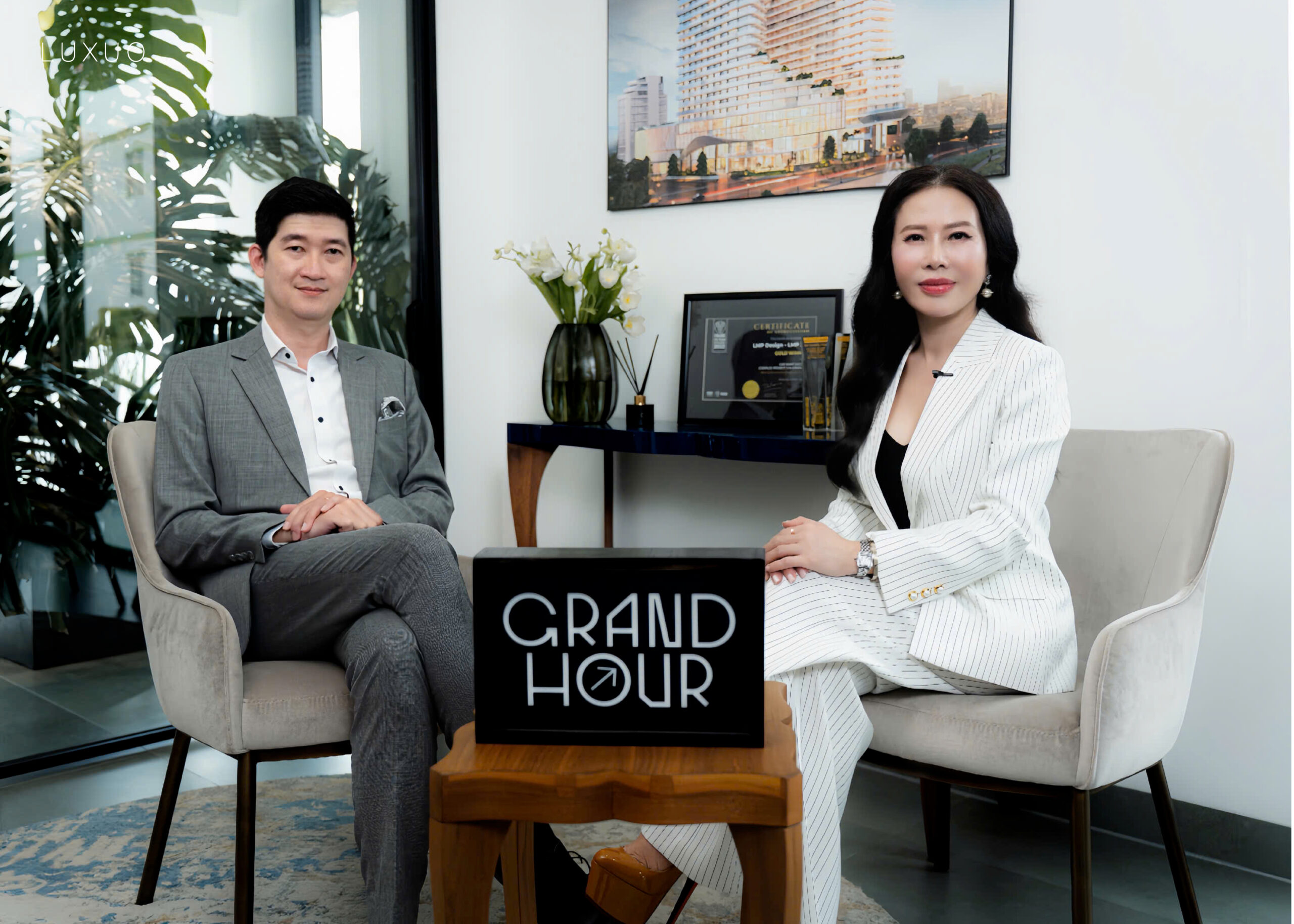
As a leader, what core capability enables you to guide LMP Design toward becoming a long-term strategic partner for clients rather than simply a design consultant?
For me, one of the most important leadership capabilities is the ability to listen — with empathy and intuition.
I listen to our clients in order to understand needs they may not yet be able to articulate. I listen to our team to nurture creativity and emotion. And I listen to myself in order to remain faithful to our identity.
Leadership also requires a long-term vision — so that what we create today can continue to hold value tomorrow.
To become a true strategic partner, we also need to share an understanding with our clients, from the initial vision through to implementation.
We accompany our clients from the earliest stages of concept development through design development and ultimately to the shaping of the final environment. This allows every element to become part of a coherent ecosystem rather than a collection of disconnected solutions.
The value we bring is therefore not limited to creating beautiful buildings. It is also about creating differentiation and strengthening the value of our clients' brands.
During the design and implementation process, how do you balance aesthetics, technical requirements and cost — three factors that often appear to conflict with one another?
In reality, these three elements do not necessarily conflict when they are integrated within a long-term strategic approach.
Balance is an art — one that brings together experience, data and sensitivity.
At LMP Design, we establish a clear operational and design framework from the beginning, taking into consideration cost, design effectiveness and constructability.
This prevents our projects from becoming either excessively aesthetic to the point where they are difficult to build, or so heavily optimized for functionality that they lose their emotional quality.
Most importantly, we work closely with our clients to identify the most appropriate solution — not necessarily the most expensive one.
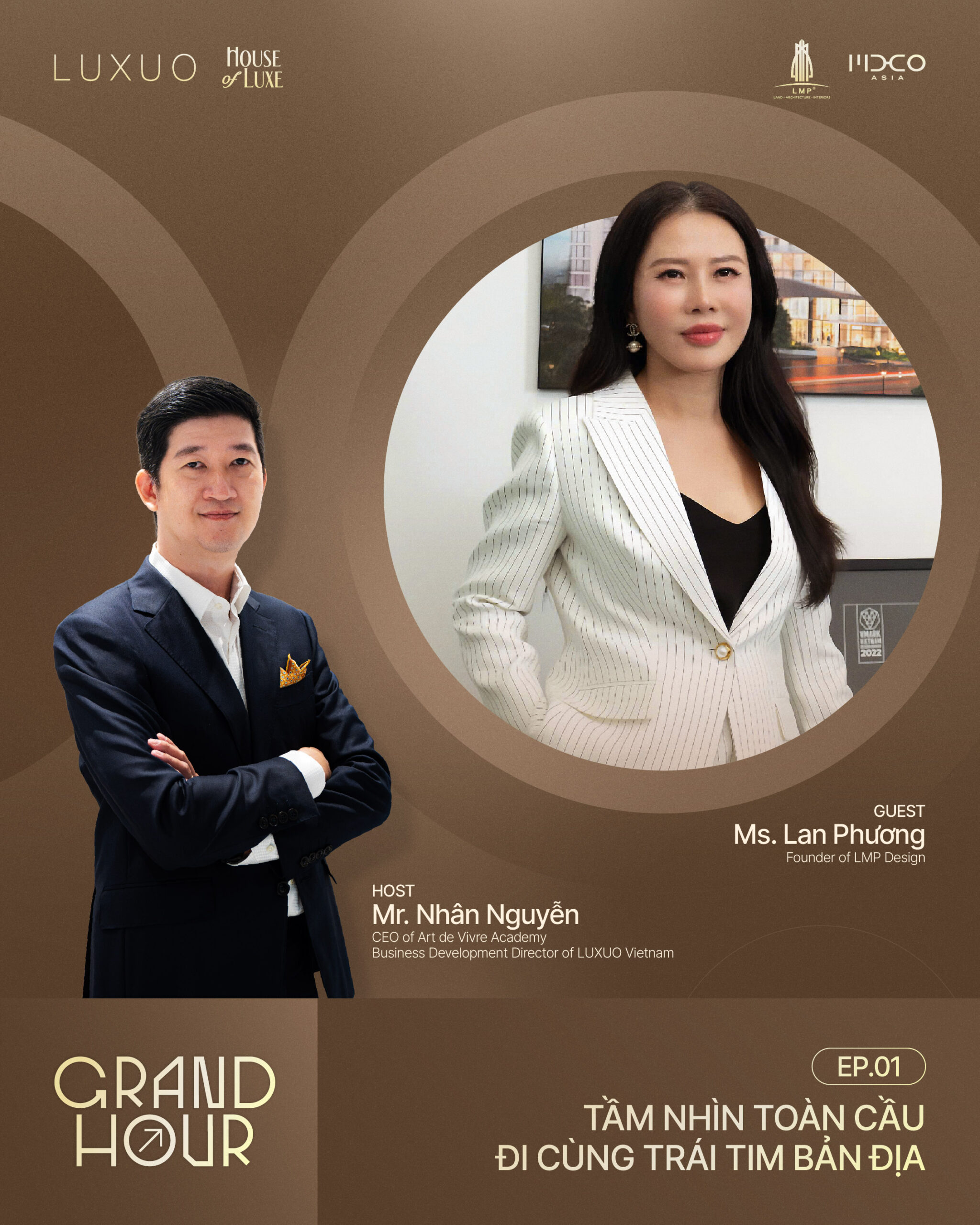
As the LMP Design ecosystem continues to expand, what is the guiding principle that allows you to preserve its identity?
I do not believe in expanding at any cost.
Our fundamental principle is that every area of development must share the same language, built around three values: quality, depth and emotion.
Whether we are working in architecture, interiors or lifestyle-related design, everything must be executed with care, refinement and a high degree of personalization.
That consistency is essential to preserving the identity and values of LMP Design.
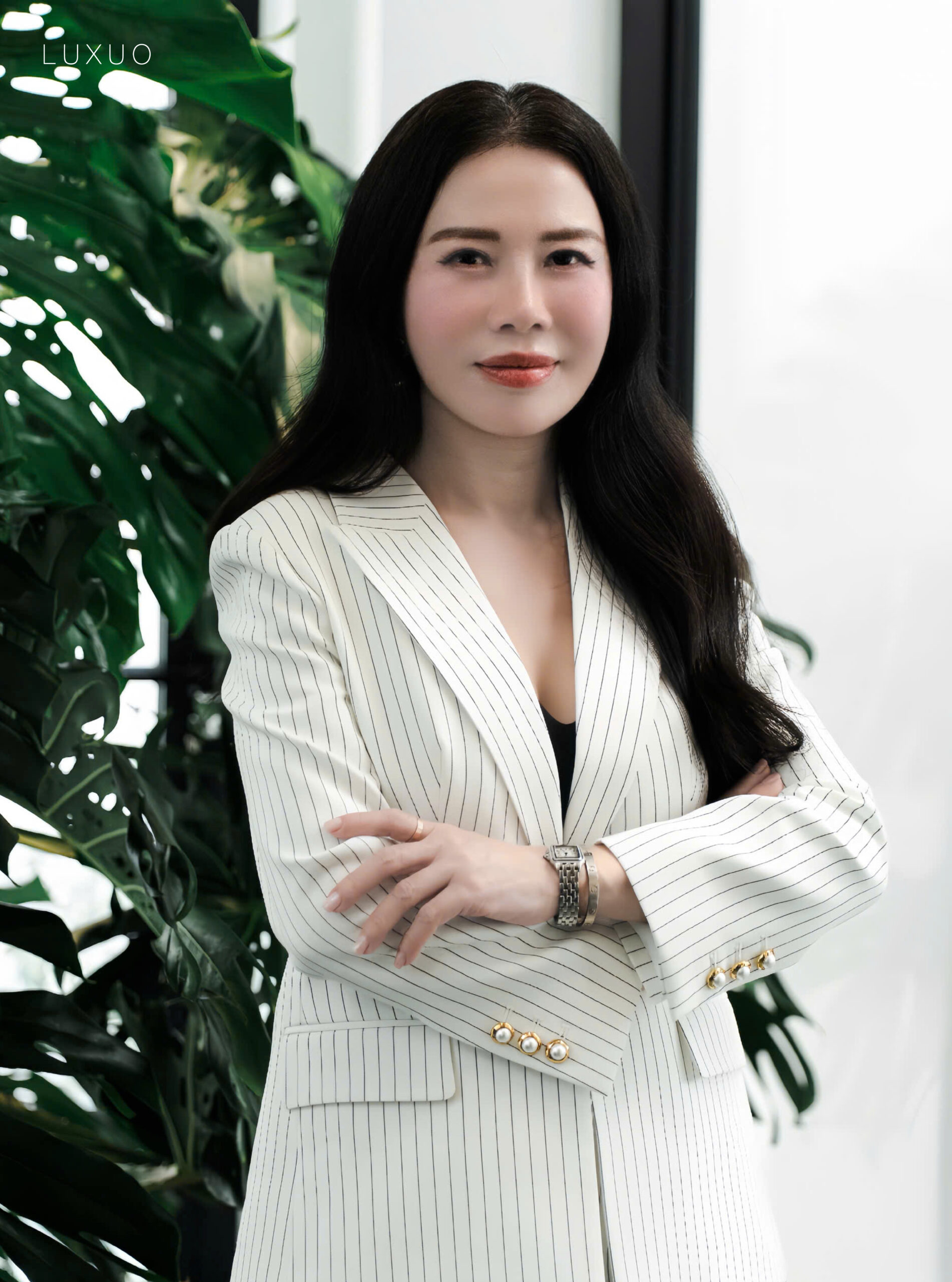
Some believe Vietnamese architecture still has a relatively limited presence on the global architectural stage. What do you see as the greatest barrier?
I believe one of the greatest challenges facing Vietnamese architecture today is the lack of consistency in defining a distinct design identity, as well as the absence of a sufficiently supportive environment for creativity to develop over the long term.
Vietnam certainly does not lack talent.
However, for Vietnamese architecture to establish a stronger international presence, it requires an entire ecosystem working together — including media, education, investment and clients — with a shared understanding that architecture is a form of cultural capacity, not merely a construction product.
Above all, every architect needs to understand and define their own values.
We should possess a global mindset and vision, while always retaining a local heart.
Thank you for sharing your thoughts and perspective.
Source: Grand Hour – Luxuo Vietnam
Other news


TOP
